There is no single perfect day to see Morocco's Sahara, but there is a clearly better season. The pre-Saharan southeast around Merzouga, Zagora and M'hamid has a hot desert climate, which means long sunny days, very little rain, and a dramatic swing between daytime heat and night-time cold.
Broadly, the comfortable travel window runs from October to April, with spring and autumn the genuine sweet spots. High summer is brutally hot, while winter days stay mild and bright even as the nights turn cold. The right month depends on what you want most: soft dune-trekking weather, festival color, crystal-clear stargazing, or simply fewer travelers. This guide breaks the year down season by season so you can plan a desert trip that matches your tolerance for heat, cold and crowds.
Key facts
- Best overall months
- October, November, March and April, warm days with manageable nights.
- Ideal shoulder seasons
- Spring (Mar–May) and autumn (late Sep–Nov).
- Months to avoid
- June–August, when midday highs in the open desert often exceed 40°C.
- Best for stargazing
- Winter (Dec–Feb), thanks to clear, dry, haze-free night skies.
- Windiest period
- Spring, when sandstorms and blustery days are more likely.
- Festival timing
- Erfoud date festival around October; Valley of Roses harvest festival around May.
The overall best window, and why
For most travelers, mid-September through April is the time to come. During these months daytime temperatures are pleasant for being outdoors, walking the dunes, and riding a camel without the punishing midday sun of summer. Rain is rare across the year, so you can generally count on clear, sunny days whatever the season.
Within that window, the two shoulder seasons stand out: spring (roughly March to May) and autumn (roughly late September to November). Both offer warm but manageable days and cool rather than freezing nights, which makes them the best all-round choice for a desert camp and a multi-day camel trek. They also bracket the two extremes you usually want to dodge: the scorching core of summer and the coldest desert nights of deep winter.
Autumn (September–November): warm days, soft light
Autumn is many people's favorite time in the desert. By late September the worst of the summer heat has eased, and through October and November days are warm and comfortable while nights cool gradually rather than turning bitter. The low, golden light is especially kind to the dunes, which is why photographers love this stretch.
This is also date-harvest season in the Tafilalt oasis, one of the world's great date-palm groves. The Erfoud date festival is typically held in October, celebrating the harvest with markets, music and parades; it makes a memorable add-on to a trip routed through Erfoud and Rissani. Autumn draws steady visitor numbers but is rarely overwhelming, so you get good conditions without peak-season crowds, making it a strong pick for Sahara tours and a first desert visit.
Winter (December–February): mild days, cold nights, brilliant skies
Winter is the desert's great surprise. Daytime is often mild, sunny and very pleasant for walking and camel riding, with comfortable midday temperatures and dry, clear air. The catch is the night: once the sun drops, the open desert cools fast, and overnight temperatures can fall near or below freezing, especially in January.
If you camp out, expect genuinely cold nights and pack accordingly. The reward is some of the year's clearest skies for stargazing, with crisp, transparent air and minimal haze. Crowds also thin out compared with the shoulder seasons, so winter suits travelers who want quiet dunes and don't mind bundling up after dark in a desert camp. Reputable camps provide thick blankets and heating, but you should still bring your own warm clothing, and a good sleeping setup turns a cold night into a comfortable one.
Spring (March–May): ideal weather, but watch the wind
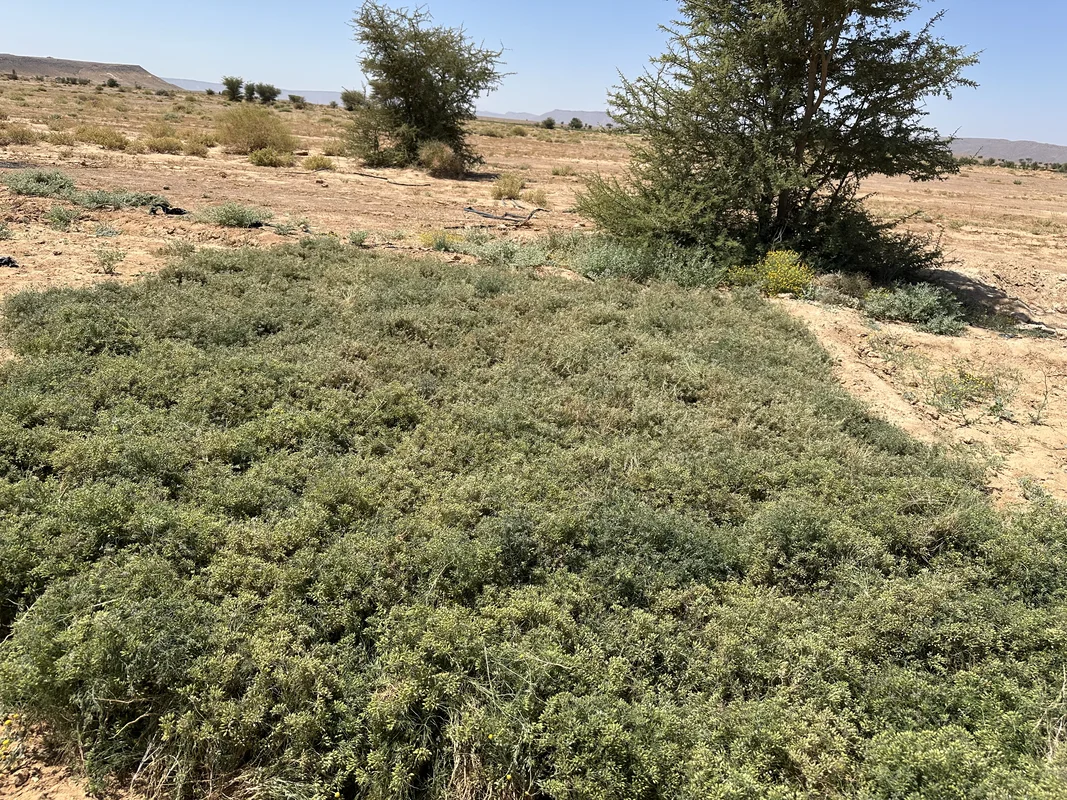
Spring rivals autumn as the best overall season. Days warm steadily and nights soften, giving you the comfortable, layered conditions that make dune trips a pleasure. Landscapes look their freshest, and the oases and river valleys green up.
The one caveat is wind. Windy spells and the occasional sandstorm are more common in spring than at other times of year; a blustery day can blast fine sand and cut visibility on the dunes. It usually passes, but it's worth building a little flexibility into your itinerary. Spring is also rose-harvest season in the Dades region's Valley of Roses, where Damask roses are picked and celebrated with a festival, typically in May, near Kelaat M'Gouna.
Summer (June–August): extreme heat
Summer is the season to approach with caution. Midday highs in the open desert regularly soar well past 40°C and can feel genuinely dangerous in direct sun, making long camel treks and midday dune walks unwise. If you do visit in summer, restrict outdoor activity to early morning and the hours around sunset, stay hydrated, and seek shade through the middle of the day.
It is not all downside: the desert is at its quietest, and you may find lower prices and more space at camps. Nights are far more bearable than days. But for comfort, summer is the window most travelers should avoid, and many prefer to spend the hottest weeks in cooler spots like the Todra Gorge or the High Atlas instead.
Packing for the day–night temperature swing
Whatever the month, the single most important thing to understand about the Sahara is the large gap between daytime and night-time temperatures. Clear desert skies trap little heat after dark, so a warm afternoon can give way to a sharply cold evening, the difference often amounting to many degrees within hours.
The practical answer is layers. Dress light and breathable for the day, with sun protection, a hat and a scarf for sun and blowing sand. Then add warmer layers for the evening: a fleece or jacket in the shoulder seasons, and a proper warm coat, hat and gloves in winter. Even in warmer months, an overnight in a desert camp calls for something cozy after sunset. Our Sahara packing list covers each season.
Stargazing, sunrises and sunsets
The desert's dry, clear air and near-total absence of light pollution make it one of the best places anywhere to watch the sky. Stargazing is excellent year-round, but it is at its sharpest in winter, when cold, dry, haze-free nights deliver the most transparent skies. Spring's windier, dustier spells can occasionally soften the view.
Sunrise and sunset over the dunes are the highlights of any desert stay, and the timing shifts with the season. In winter the sun rises late and sets early, so the magic hours are easy to catch without a pre-dawn start; in summer, early light comes very early and the day stretches long. Planning your camp arrival for a late afternoon means you can settle in, watch the sunset color the sand, and stay up for the stars.
A fast month-by-month reference:
- September: heat easing late in the month; the season's first comfortable trips.
- October: excellent warm days and the Erfoud date festival.
- November: mild, golden light, fewer crowds.
- December–February: pleasant sunny days, cold nights, superb stargazing, quieter dunes.
- March–April: ideal warming weather; watch for windy days.
- May: warm and beautiful with the Valley of Roses harvest, but heat builds toward month's end.
- June–August: extreme heat; visit only with care and limit midday activity.